A postponed or abandoned match does not always mean an automatic refund. Learn which bookmaker rules to check for markets, rescheduled events and accumulators.
Abandoned or Postponed Match Bets: How to Check Settlement Rules

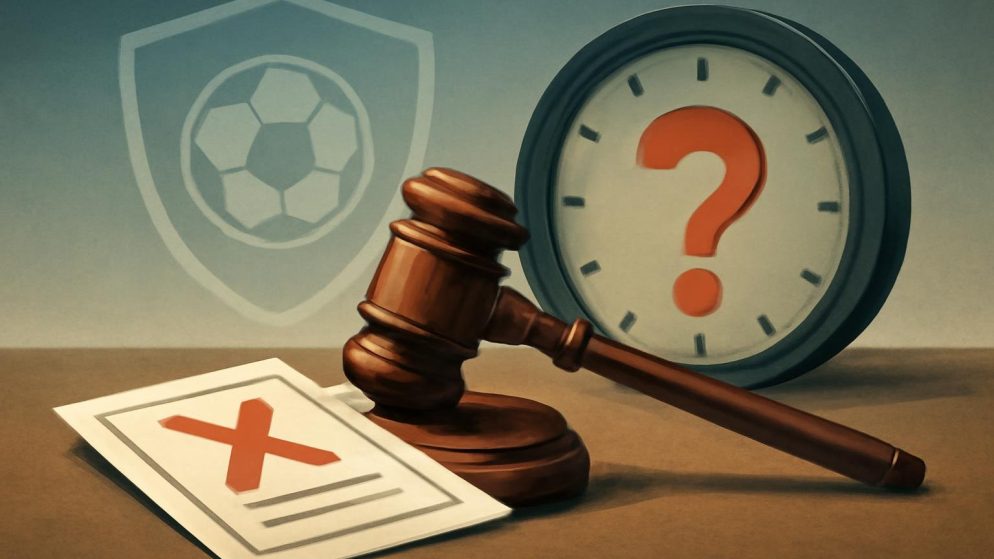

A postponed or abandoned match can leave a sports bet in an uncertain state. The result is not always an automatic refund: settlement may depend on the sport, the market you chose and the bookmaker’s rules. Checking those rules before placing a bet helps you understand what could happen if the event does not finish as expected.
Why the same disruption can affect bets differently
Bookmakers set rules for events that are delayed, postponed, abandoned or completed later. Those rules can differ between operators, and one bookmaker may treat separate markets on the same match differently.
For example, if a football match is abandoned after a goal, a bet on the first goalscorer might already have a settled outcome under the operator’s rules. A bet on the full-time result may remain unsettled or be voided. Do not assume that every selection on an abandoned event receives the same treatment.
In general, settlement depends on whether the market’s outcome has been determined and on the relevant rules. The precise wording matters more than a general expectation that a cancelled event means a refund.
Check these details before you place the bet
1. Find the event-disruption rules
Look in the bookmaker’s rules or help section for terms such as “abandoned events”, “postponed matches” or “event not completed”. Check the rules for the sport you are betting on: procedures can vary between football, tennis, horse racing and other events.
This is part of assessing an operator, alongside the other practical checks covered in our guide to choosing a bookmaker carefully.
2. Read the market-specific wording
Identify whether the rule applies to the whole event or to individual markets. A result market, a player or team prop and a wager on an already completed part of the event may have different settlement conditions.
Also note any conditions about how much of the event must be played, whether the market must already be decided, or whether the event has to resume within a stated period. Do not infer these details from the wording on the bet slip alone.
3. Check what “rescheduled” means
A postponed event might be played later, but the operator’s rules determine whether your original bet remains active, is settled using a later result or is void. The time between the original date and the rearranged event may matter. Check whether the rule distinguishes a short delay from a new date.
4. Understand the effect on accumulators
If one leg of an accumulator is voided, the operator’s rules explain how the remaining selections are treated. Often, a void selection is removed from the calculation, but do not rely on that as a universal rule. Check the bookmaker’s accumulator section, especially if the bet combines related selections.
A practical example
Suppose you back a team to win a cup match, and the match is stopped before the final whistle. Before assuming the selection has won or been refunded, check whether the rules require the match to be completed, how a rearranged fixture is treated, and whether the market’s outcome had already been determined. If the match is later replayed, the original wager may not necessarily carry over.
That is why it helps to keep the market name and the relevant rule together. General sports-betting guidance for beginners can help with the basics, but settlement questions need the specific terms for your event and bet type.
What to do if settlement is unclear
- Save or note the event, market, selection and bet reference.
- Read the operator’s rules for that sport and market, including any accumulator terms.
- Wait for the bet to be formally settled before drawing conclusions from a live score or news update.
- If the settlement does not appear to match the rules, contact customer support and ask which rule was applied.
Keep your own records factual and avoid placing another bet to try to recover a disputed stake. As with other common sports-betting mistakes, acting on an assumption can create confusion and extra risk.
The takeaway
When a match is postponed or abandoned, the key questions are whether the market has already been decided, whether the event will resume, and what the bookmaker’s sport-specific rules say. Check those points before betting, rather than relying on a blanket expectation of a win or refund. Betting involves financial risk; only stake money you can afford to lose.


Recent News